

Why Free Play is Becoming More Valuable Than Structured Activities
Author: Austin Stanfel
Free play is rapidly gaining recognition as a cornerstone of healthy child development, surpassing the value traditionally given to structured activities. Experts highlight free play as a critical driver of creativity, problem-solving, self-regulation, and emotional health, making it an indispensable part of modern childhood.
What Is Free Play?
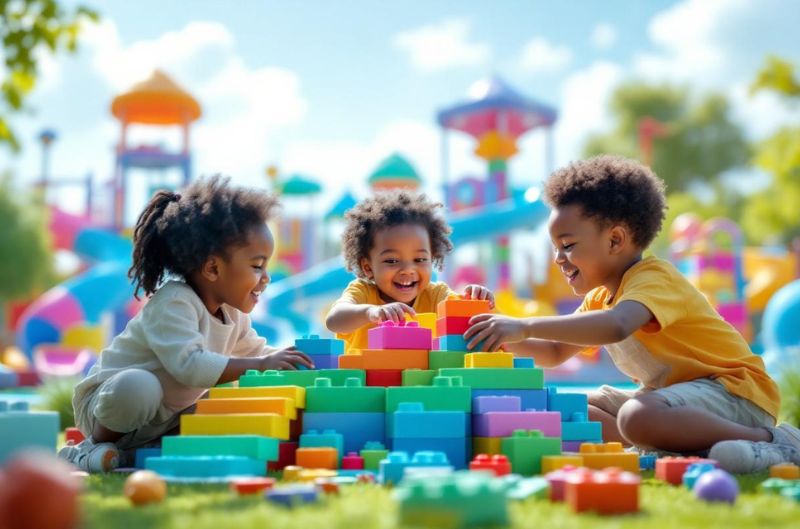
Free play is child-initiated, self-directed play that comes without predetermined rules, adult instructions, or fixed outcomes. It spans a wide range of spontaneous activities, exploring outdoors, imaginative games, constructing with blocks, or simply inventing stories, allowing children the autonomy to determine their own pace and interests.
The Unique Benefits of Free Play
Free play holds a distinctive position in fostering holistic child development. Unlike structured activities, which are typically adult-led and goal-oriented, free play lets kids pursue their interests, empowering them to:
- Develop creativity and imagination by inventing games and scenarios without boundaries.
- Refine problem-solving skills through negotiating rules, sharing, and resolving conflicts within peer groups.
- Build emotional regulation as children experience and manage a range of feelings in a safe, low-pressure environment.
- Strengthen physical abilities through natural movement, experimenting, and risk-taking on their terms.
- Cultivate social skills like cooperation, listening, and collaboration without direct adult intervention.
A growing body of research shows that active, self-directed play is linked to improved executive function, self-regulation, resilience, and lifelong learning, outcomes that are less commonly promoted by rigidly structured schedules.
Why Structured Activities Are Losing Ground
Structured activities, such as organized sports, scheduled lessons, and enrichment classes, have long been viewed as essential for supporting academic achievement and skill-building. However, these programs often emphasize external rewards, compliance, and adult-defined goals, sometimes at the expense of creativity, independence, and stress relief.
Excessive structure can inadvertently crowd out opportunities for children to experiment, make mistakes, and find joy in spontaneous discovery. Experts note that the drive for measurable outcomes and pressure to “maximize” learning can result in overscheduled children and increased anxiety, factors contributing to the renewed appreciation for free play.
Trends Driving Free Play’s Revival
Several cultural and scientific shifts are fueling a resurgence in free play’s value:
- Mounting evidence from neuroscience and developmental psychology suggests that free play stimulates brain-derived neurotrophic factor (BDNF), which is essential for neuronal growth and adaptive behavior.
- Recognition that autonomy, competence, and social connection, core psychological needs for happiness, all flourish during unstructured play.
- Widespread concerns about childhood stress, anxiety, and loss of agency amid increasing academic and extracurricular demands.
- A broader movement toward play-based curricula and playful learning environments in both home and school settings.
Practical Examples of Free Play
- Building with blocks without any instructions, letting kids create their own rules and stories.
- Outdoor exploration in parks or playgrounds, inventing games, and reshaping rules on the spot.
- Art sessions with no guidance, where children decide what to draw, paint, or build.
- Pretend play as firefighters, explorers, or superheroes, roles chosen and enacted solely by the child.
Long-Term Value of Free Play
Adults who had regular opportunities for free play as children often exhibit stronger coping skills, adaptability, creativity, and collaboration as they face new challenges in life. Free play not only supports essential milestones in early childhood but also lays the foundation for robust social, intellectual, and emotional health throughout adolescence and adulthood.
Conclusion
Free play is emerging as a vital ingredient for authentic learning, emotional resilience, and lifelong well-being. Its unique ability to foster creativity, autonomy, and social skills is increasingly prized by educators, psychologists, and parents striving to nurture well-rounded, confident individuals in an age of mounting structure and pressure. Investing in ample opportunities for free play is not merely a nostalgic return to childhood simplicity; it is an evidence-based pathway to thriving in a complex world.