

Adaptive Play Equipment: Breaking Barriers for Children with Disabilities
Author: Austin Stanfel
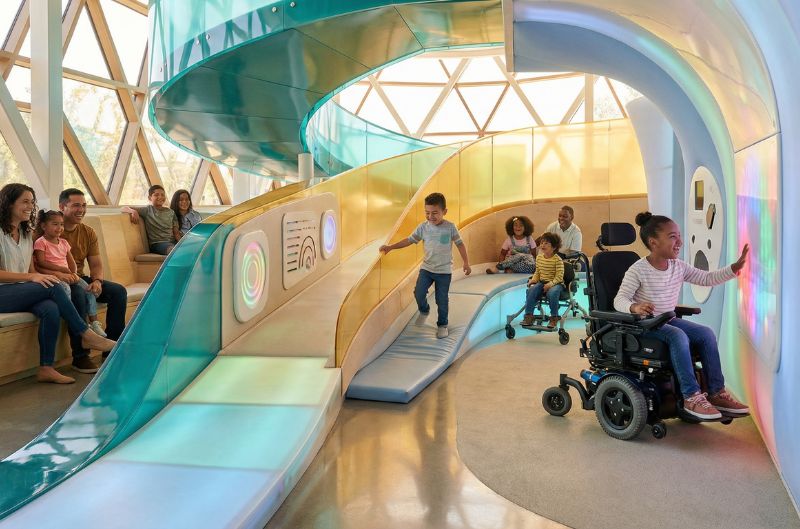
Adaptive play equipment is transforming the way children with disabilities experience playgrounds by breaking down barriers to play, movement, and social inclusion. Far from being an afterthought, adaptive playground design today is a cornerstone of creating communities where every child can thrive through shared play.
The Importance of Play for Every Child
Play is not a luxury; it is a fundamental part of childhood development. Through play, children build motor skills, practice communication, gain confidence, and learn about cooperation and conflict resolution. For children with disabilities, however, barriers such as inaccessible structures, limited equipment options, or a lack of safety considerations can prevent them from taking part. When these barriers exist, children may be excluded not only from physical activity but also from the critical social and emotional growth derived from playground interaction.
Adaptive play equipment seeks to remove these barriers so that children with diverse abilities can participate fully. It is not about creating “separate” equipment for children with disabilities but about designing inclusive spaces where every child engages together, regardless of ability.
What Is Adaptive Play Equipment?
Adaptive play equipment includes playground structures, surfaces, and tools specifically designed or modified to meet the needs of children with disabilities, including physical, sensory, or developmental differences.
Some examples of adaptive equipment include:
- Wheelchair-accessible swings and gliders that allow children who use mobility devices to experience the sensation of swinging.
- Sensory play panels with textures, sound elements, or interactive features that stimulate multiple senses and engage children with autism or sensory-processing needs.
- Ground-level play components, such as inclusive merry-go-rounds or transfer stations that allow children to shift from a wheelchair to an active play surface.
- Adaptive slides with wider chutes and supportive side rails are designed for children with limited balance or mobility.
- Communication boards and visual play cues that support children who are nonverbal or have developmental conditions.
These designs focus on accessibility, but also on dignity, ensuring that children with disabilities are not isolated but can play alongside peers.
Breaking Barriers Through Design
Physical Accessibility
- Accessible surfacing, such as poured-in-place rubber or engineered wood fiber, ensures children using wheelchairs, walkers, or braces can move freely across the playground. Equipment that provides ramps, transfer points, and wide entryways allows for safe movement and participation across multiple play zones.
Sensory Engagement
- Adaptive equipment addresses not only mobility challenges but also cognitive and sensory diversity. For example, sensory walls, musical features, or tactile stations provide comfort for children who find solace in structured sensory input.
Social Inclusion
- The most powerful feature of adaptive play equipment is its ability to create shared play experiences for all users, regardless of their abilities. Equipment designed for universal use encourages children of all abilities to collaborate, laugh, and connect with one another. This fosters empathy, reduces stigma, and builds friendships across differences.
Benefits of Adaptive Play Equipment
- For children with disabilities, this program provides opportunities to develop coordination, strength, self-confidence, and essential social skills.
- For families: Offers safe, welcoming community spaces where children with and without disabilities can play together, reducing isolation and stigma.
- For communities: Enhances public spaces by making them inclusive, showing a collective commitment to equity and diversity, and building broader participation in community life.
- For peers without disabilities: Encourages inclusion and empathy by giving children firsthand experiences of playing alongside those with different abilities.
Challenges and Considerations in Implementation
Despite growing awareness, many communities still face challenges in adopting adaptive playground equipment:
- Funding and Cost: Adaptive play equipment can be more costly than standard equipment due to specialized features and materials. Communities often rely on grants, fundraising efforts, or partnerships with nonprofit organizations.
- Design Expertise: Not all playground designers are well-versed in incorporating inclusive and adaptive features, resulting in inconsistent accessibility. Specialized training and adherence to universal design principles are critical.
- Maintenance: Ensuring long-term accessibility requires ongoing upkeep of the surfacing, regular safety checks of equipment, and replacement of damaged sensory or interactive features.
Inspiring Examples of Adaptive Play in Action
Many communities have embraced adaptive playgrounds as symbols of hope:
- Friendship playgrounds around the country feature wheelchair-friendly zip lines, sensory gardens, and group play areas that prioritize inclusivity.
- Hospital healing gardens and play zones often incorporate adaptive equipment to help children in rehabilitation engage joyfully in physical therapy while normalizing their experience alongside peers.
- Community-driven projects have shown how parent advocacy often leads to innovative designs that not only meet accessibility standards but also surpass them by fostering rich, shared play ecosystems.
Looking Ahead: The Future of Adaptive Play
As awareness continues to grow, adaptive playground design is shifting from being a specialized consideration to being the standard. Future playgrounds increasingly rely on:
- Universal design principles that remove barriers for all, instead of only retrofitting adaptations.
- Blended digital and tactile experiences, including augmented reality, to engage children across cognitive and physical diversities.
- Eco-friendly adaptive materials ensure that inclusive play can also align with sustainability efforts.
- Community co-design where children, parents, and advocates with lived experience of disability directly participate in shaping playground plans.
The ultimate goal is for playgrounds to become places where disability is not seen as a limitation, but rather as a natural part of the human experience. Inclusive design ensures that every swing pushed, slide shared, and laugh echoed across a playground is fully open to every child.