


Micro Playgrounds: Small-Space Solutions for Urban Families
Author: Austin Stanfel
Urban living offers convenience, culture, and community—but space is one of the most prominent challenges families face in cities. With limited land and dense populations, creating spacious, traditional playgrounds is often not possible. That is where micro
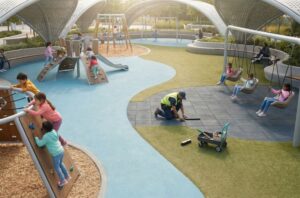
The Ultimate Guide to Making Playground Surfacing Last
Author: Austin Stanfel
Making playground surfacing last longer is not only about preserving its appearance, but also about ensuring ongoing safety, maximizing your investment, and reducing long-term maintenance costs. A well-maintained playing surface protects children, meets regulatory standards, and creates

The Latest Playground Safety Standards Parents Should Know
Author: Austin Stanfel
The latest playground safety standards for 2025 bring significant changes every parent should know, especially around safer surfacing, stricter equipment rules, and new requirements for inspection and reporting. Understanding these updates helps parents advocate for safer play

Adaptive Play Equipment: Breaking Barriers for Children with Disabilities
Author: Austin Stanfel
Adaptive play equipment is transforming the way children with disabilities experience playgrounds by breaking down barriers to play, movement, and social inclusion. Far from being an afterthought, adaptive playground design today is a cornerstone of creating communities

How Playgrounds Come to Life: Step-by-Step Installation Explained
Author: Austin Stanfel
The playground installation process is a complex, structured endeavor that transforms an idea into a lasting community fixture. Successful playground projects involve extensive planning, site preparation, professional assembly, surfacing, safety compliance, and ongoing maintenance. Below is an

Ways to Help Preschool Students Build the Skills They Need for Writing
Author: Austin Stanfel
Writing is one of the most complex skills that young children will develop, as it combines fine motor coordination, cognitive organization, and language development. Yet, long before preschoolers are ready to hold a pencil and form letters,