

How Playgrounds Can Foster Cross-Generational Connection
Author: Austin Stanfel
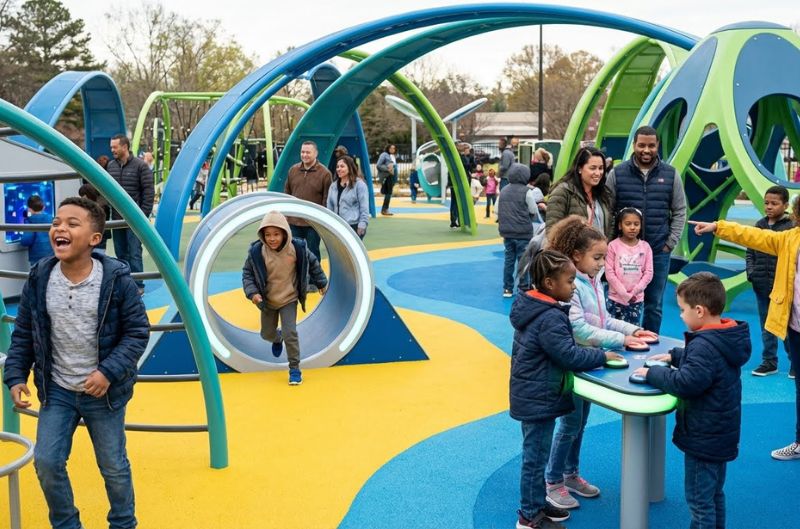
Playgrounds have the unique ability to break down generational barriers, providing spaces where individuals of all ages can gather, interact, and build meaningful relationships. By intentionally designing playgrounds for cross-generational connection, communities can foster belonging, strengthen family ties, and energize neighborhoods with playful, shared experiences.
The Value of Cross-Generational Play
Multigenerational playgrounds are emerging as vital ele ments of healthy, interconnected communities. These playgrounds go beyond catering solely to children; instead, they are designed for everyone, from toddlers to seniors, so families and neighbors can socialize, move, and play together.
- Cross-generational play provides children with opportunities to learn from adults and elders, enriching their development with diverse perspectives and wisdom.
- Adults and seniors benefit emotionally and physically from active play and time spent with younger generations, reducing feelings of isolation and fostering joy.
- Shared public spaces can help combat loneliness, create memorable family moments, and model cooperation and empathy for youth.
Key Features of Cross-Generational Playgrounds
To truly encourage connection, playgrounds must provide activities that are physically accessible, mentally engaging, and socially inviting across a spectrum of ages and abilities.
- Diverse Equipment: Playgrounds should include a variety of play equipment. For instance, swings and spinners, like the popular Expression Swing, are designed for joint use by children and adults, making them natural points of interaction.
- Fitness Zones: Outdoor exercise stations and sports courts for basketball, volleyball, or pickleball create friendly intergenerational competition and physical activity.
- Social Spaces: Benches, picnic tables, shaded seating, and sensory gardens offer welcoming spaces to rest, observe, chat, and enjoy together, encouraging informal interactions between generations.
- Inclusive Design: Features such as ramps, ground-level activities, and wide paths accommodate strollers, mobility devices, and older adults, ensuring playgrounds are walkable and navigable for all.
Age-Specific Strategies for Fostering Connection
Successful cross-generational playgrounds consider the needs and interests of specific age groups, blending their requirements into a cohesive space:
- Young Children (0–7): Soft surfaces, interactive panels, imaginative play zones, and smaller slides support sensory and motor development while offering safe spaces for caregivers to play alongside little ones.
- Older Children and Preteens (8–12): Challenging climbing structures, ropes, and adventure courses promote physical growth and encourage parents or grandparents to join in active play.
- Teens and Adults: Multi-use sports courts, fitness circuits, skate areas, and comfortable social “chill zones” with shade and Wi-Fi engage teens and provide space for adults and seniors to participate or observe comfortably.
- Seniors: Gentle walking paths, accessible exercise equipment, and sensory areas like gardens or art installations offer inviting reasons for older adults to visit and interact.
Community and Emotional Benefits
Creating playgrounds where generations intersect offers social and emotional payoffs beyond simple recreation:
- Neighbors forge connections that extend into everyday life, promoting trust and safety in the community.
- Children benefit from the nurturing presence of elders, while adults and seniors find new purpose, joy, and an antidote to loneliness through social engagement.
- Inclusive, welcoming public spaces celebrate diversity and foster a culture of empathy, patience, and shared values.
Best Practices for Designing Cross-Generational Playgrounds
When planning such spaces, communities, and designers should:
- Consult with stakeholders from all age groups to ensure needs and preferences are represented.
- Blend traditional and innovative play features to maintain interest for both young children and mature users.
- Incorporate natural elements, themes, and community history to give the space shared meaning and context.
- Provide clear sightlines, safe surfaces, and adequate lighting for safety without diminishing the sense of independence, especially for teens and older adults.
Conclusion
Cross-generational playgrounds transcend the traditional boundaries of outdoor play. By intentionally designing spaces that welcome people of all generations, communities can nurture relationships, combat social isolation, and create a sense of place that benefits everyone. Authentic connections forged during play help weave a stronger, more resilient social fabric for years to come.