

Playable Cities: How Urban Spaces Are Being Designed for Spontaneous Fun
Author: Austin Stanfel
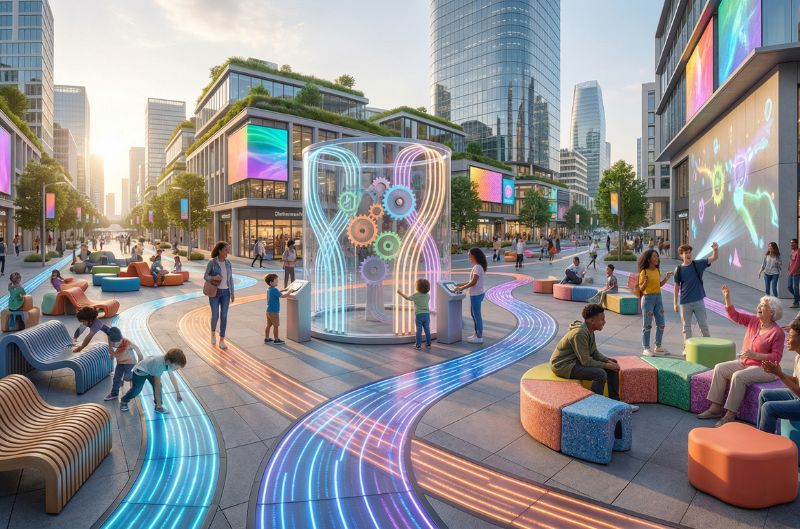
Playable Cities represent a new wave of urban design focused on embedding spontaneous fun and human-centered interaction into city streets, parks, and public squares. Their goal is to make joy, creativity, and community engagement essential elements of daily life, redefining how people of all ages experience and shape their environments.
Why Play Matters in Urban Spaces
Play is not just a childhood pastime; it is a universal human need linked to stress reduction, cognitive growth, and social connection. Research in behavioral science demonstrates that cities designed to encourage play can boost creativity, empathy, and well-being among residents of all ages. Traditional playgrounds remain vital, but playable cities expand opportunity far beyond their boundaries, incorporating playfulness into city-wide infrastructure and planning.
Principles of Playable City Design
Four principles drive this approach:
- Accessibility: Playful features must be available to everyone, regardless of age, ability, or income.
- Inclusivity: Designs encourage interaction among residents with diverse backgrounds, supporting social cohesion and equity.
- Sustainability: Play elements utilize eco-friendly materials and practices, integrating with broader urban sustainability goals.
- Community Building: Playful spaces facilitate spontaneous connection, breaking social isolation and fostering local pride.
Innovative Examples From Around the World
Cities worldwide offer inspiring examples:
- Singapore: Integrates nature play into public housing to support biodiversity and child-friendly neighborhoods.
- Bogotá, Colombia: The “Ciclovía” program transforms major streets into open play spaces on Sundays, encouraging physical activity, civic engagement, and intergenerational fun.
- Bristol, UK: Pioneers playful infrastructure, such as interactive crosswalks turned into games and projects like “Hello Lamp Post,” which lets people communicate with street furniture via text.
Urban play initiatives range from temporary “play streets,” where traffic is halted to let communities reclaim roads for games and gatherings, to the integration of artistic loose parts and natural elements that invite creative exploration.
Informal and Unstructured Play
Playable cities prioritize informal play spaces, open areas that are not strictly organized as playgrounds but encourage free running, role-play, and creativity. Movable elements like sandboxes, blocks, and drawing boards can be reconfigured by residents, supporting independence and problem-solving. These setups foster a sense of ownership, community resilience, and adaptable social skills, especially for children navigating urban life.
Cultural and Psychological Benefits
Designing for play recognizes deep-seated cultural traditions. In places like Venice, human-scale city design fosters risk competency and strengthens bonds, while Māori concepts in New Zealand frame play as a way to connect with place and heritage. Spontaneous play is not escapism; it is a vital way to experience belonging, joy, and meaning within the city.
Policy and Planning for a Playful Future
As urban density increases, policy-makers and planners are called to treat play as integral rather than peripheral. City-wide strategies require evidence-based impact measurement, participatory design, and flexible frameworks to accommodate diverse community needs. Public involvement ensures each neighborhood’s unique perspective is represented, balancing safety, accessibility, and local context.
Incorporating play into everyday life makes cities healthier, happier, and more creative. Actual playability means transforming ordinary spaces, sidewalks, plazas, and crosswalks into opportunities for spontaneous joy and discovery, welcoming all residents to explore, connect, and thrive in their urban environment.