

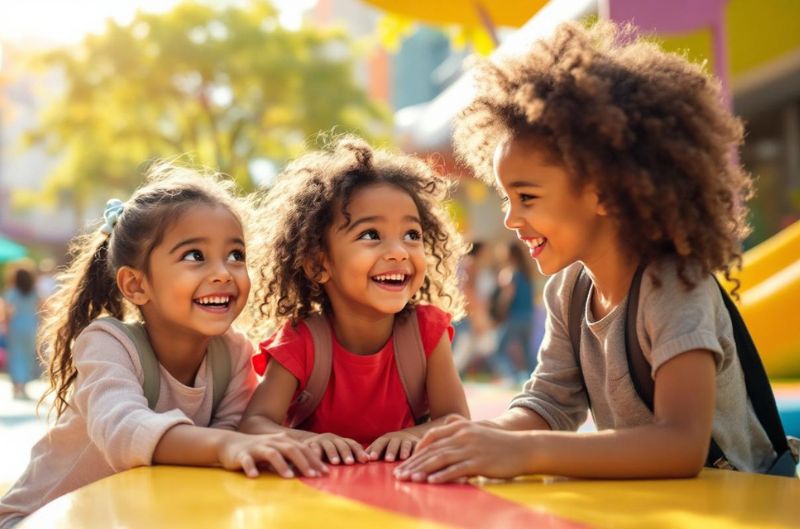
Social Play Post-Pandemic: Helping Children Relearn Cooperation and Turn-Taking
Author: Austin Stanfel
Children’s social play skills, especially cooperation and turn-taking, were deeply affected during the pandemic era. However, thoughtful, intentional strategies can help kids relearn and thrive in post-pandemic classrooms and playgrounds. Recent research, educator insights, and therapeutic recommendations provide a roadmap for guiding children back toward positive, cooperative play relationships and success in group settings.
The Pandemic’s Impact on Social Play
Extended social isolation, masking, and digital learning drastically reduced opportunities for children to practice real-world social skills, particularly cooperation and turn-taking. Many young children, especially those in preschool and lower elementary grades, experienced declines in social-emotional development, increased anxiety, and difficulties sharing or working cooperatively upon their return to normal activities.
Therapists and educators observed more frequent behavioral issues, withdrawal, difficulty with peer interactions, and regression in previously mastered social skills. Surveys found that even years after reopening, pandemic themes persisted in children’s play narratives, signaling lingering effects on their social development.
Why Cooperation and Turn-Taking Matter
Cooperation and turn-taking are foundational for successful friendships and group learning outcomes. These skills foster problem-solving, build empathy, and support language development. Creativity and conflict resolution in play, such as negotiating game rules or sharing resources, depend on children’s ability to listen, contribute, and respect each other’s turns. Turn-taking is also a central mechanism in conversational exchange and play, with clear social cues guiding children about when it is appropriate to speak, act, or defer to a peer.
Signs Children Need Support Reintegrating
Adults may notice post-pandemic children showing:
- Difficulty joining group activities or games
- Reluctance to share toys or materials
- Increased solitary play or preference for parallel play
- Trouble managing emotions during competitive or cooperative activities
- Regression in language or social problem-solving skills
Children who missed key developmental windows for socialization may exhibit these behaviors even as public health restrictions and school routines return to normal.
Practical Strategies for Rebuilding Social Skills
Educators, families, and community leaders can support children’s relearning of cooperation and turn-taking through intentional, scaffolded strategies:
- Start Small: Arrange brief social visits or playdates with familiar peers and gradually expand group size as comfort grows.
- Explicit Skill Practice: Use role-play, puppets, or stories to model turn-taking and cooperative behaviors. Practice specific skills like listening, sharing, and responding in low-pressure settings.
- Safe, Supportive Environments: Create routines that encourage both unstructured and teacher-facilitated play, emphasizing kindness, fairness, and patience.
- Play-Based Therapy: For children experiencing persistent anxiety or behavioral issues, play therapy can be a gentle, practical approach, helping children express feelings and build coping strategies.
- Monitor and Adjust: Observe social interactions and tailor support based on individual children’s needs. Some may require more frequent feedback or added breaks during group activities.
Recess and Playgrounds as Social Laboratories
Post-pandemic research shows that, as children return to playgrounds and recess settings, social play not only rebounds but can actually become more robust. Children long to reconnect, forging new friendships and strengthening old bonds through group games and imaginative play. Structured cooperative games (such as relay races, team-building challenges, and collaborative art projects) are beneficial for rebuilding shared rules and social roles. Flexible play environments and adult facilitators should support a growth mindset, allowing children to experiment, make mistakes, and try again.
Addressing Special Needs and Equity
Children with social-communication disorders or those from marginalized backgrounds may need individualized supports as they catch up socially after long absences or disruptions. Social communication interventions, directly teaching initiating interactions, managing responses, and minimizing interruptions, help these children gain confidence in peer play. Equity-focused approaches also recognize that pandemic disruptions disproportionately affected children from lower socioeconomic backgrounds, who may require additional resources and inclusive programming.
Long-Term Outlook: Fostering Resilience Through Play
While the pandemic created unprecedented challenges, it also underscored play’s fundamental role in coping, connection, and adjustment. Children used games and imaginary scenarios to work through fears, anxieties, and changing realities, a process that continues to support mental health recovery today. By intentionally nurturing cooperation and turn-taking, caregivers, educators, and community leaders can not only restore lost skills but also help children develop lifelong abilities for resilience, empathy, and creative problem-solving.
In sum, prioritizing social play and skillful, patient guidance can help kids, regardless of background, relearn how to cooperate and take turns, building stronger, more compassionate communities for the future.